
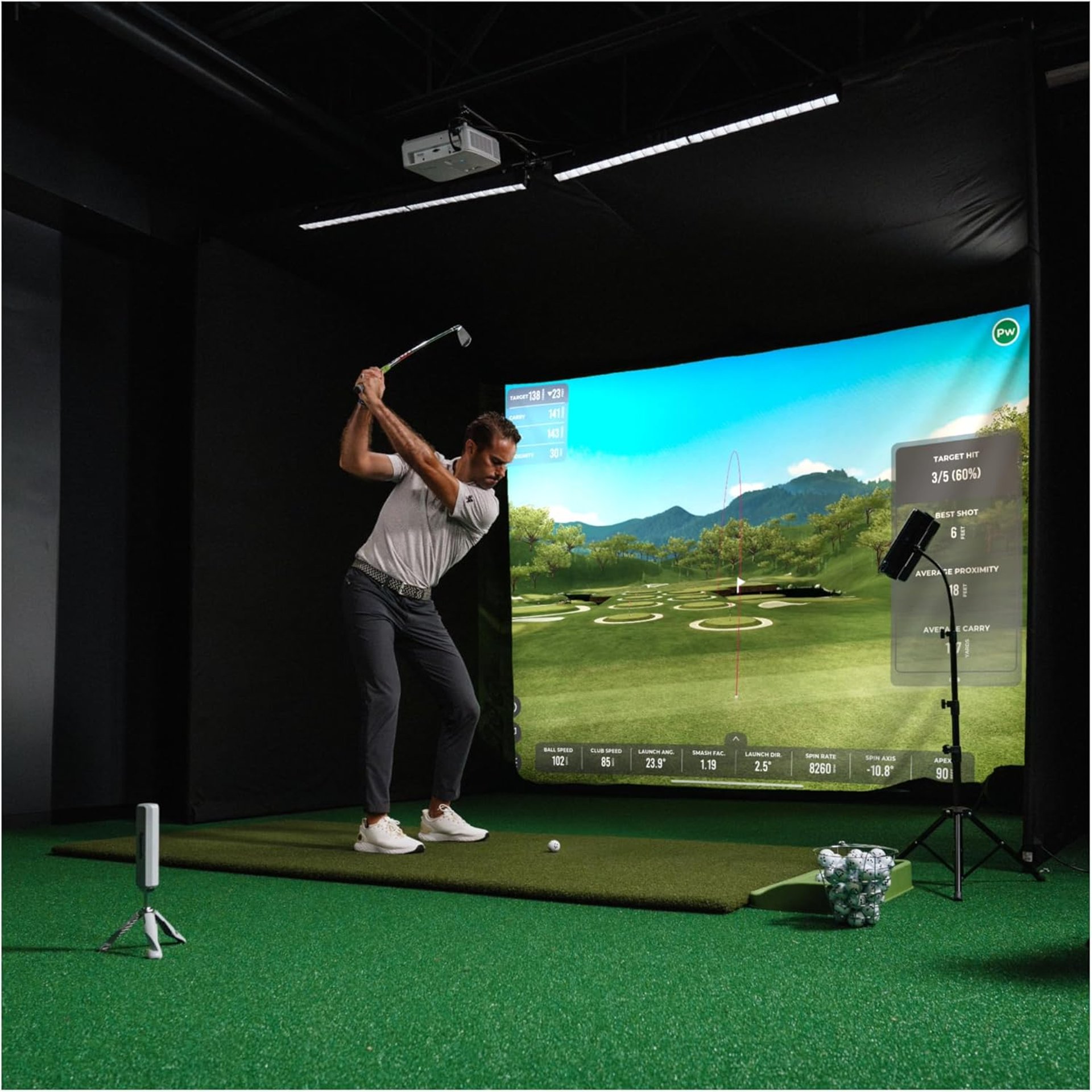
Best Launch Monitors for Garage
(Real Setups That Actually Work)
Setting up a golf simulator in your garage sounds simple—until you realize space, ceiling height, and setup requirements can make or break the experience. Most people either overbuy gear they don’t need or underestimate what their garage can realistically handle.
If you’re planning a garage build, start by understanding the basics in this golf simulator guide so you don’t run into avoidable issues. From there, it’s about choosing a setup that fits your space—not just your budget.
This guide breaks down the best golf simulators for garage use based on real-world practicality, not hype, and how they compare across different launch monitors and setup styles.
The biggest mistake is assuming your garage can handle any setup. In reality, ceiling height and depth are the limiting factors. Before buying anything, you need to understand minimum ceiling height for a golf simulator and how it affects your swing.
Another common issue is ignoring room depth and overall layout, which is covered in golf simulator room size requirements. Radar-based systems like the R10 need space behind the ball, which many garages simply don’t have. This is where people end up frustrated after buying the wrong unit.
You’ll also see people overspend on features they won’t use. If your goal is casual practice, you don’t need pro-level data. On the flip side, going too cheap can lead to unreliable feedback—something covered in are golf simulators worth it if accuracy matters to you.


Why Most People Choose the Wrong Garage Simulator
Top Picks Comparison
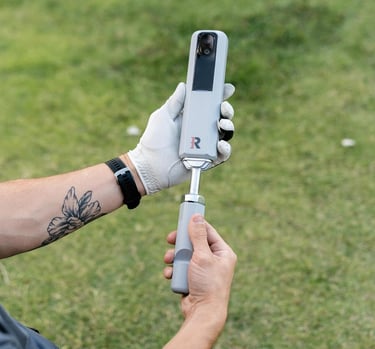
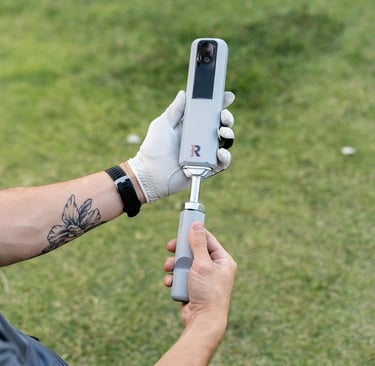
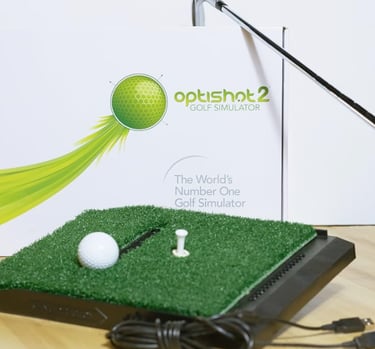
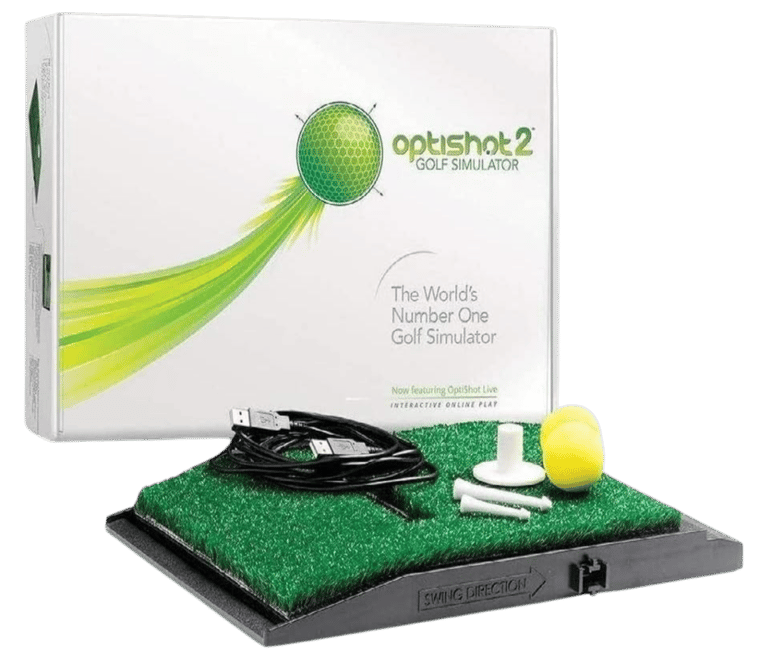
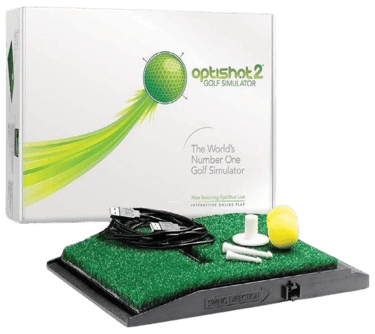
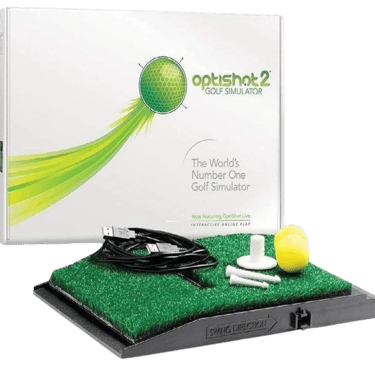
OptiShot 2
Best For: Tight garages, minimal depth
Avoid If: You want accurate ball data
Skill Level: Beginner
Space Requirements: Very low
Key Benefit: Works in almost any garage
Summary: A simple way to swing and play without worrying about full ball tracking
Best Small Space
Best Premium
Best Budget
Best Overall
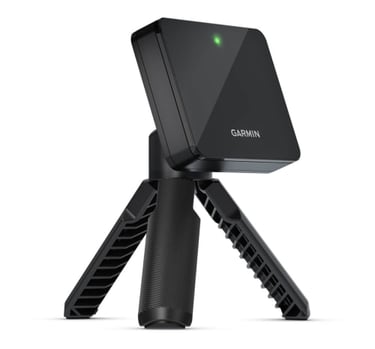
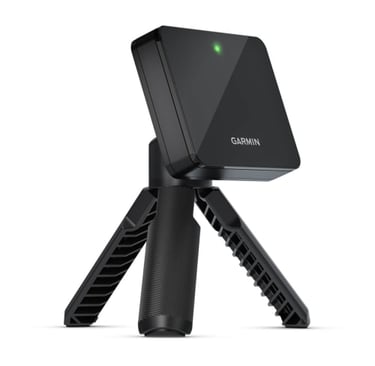
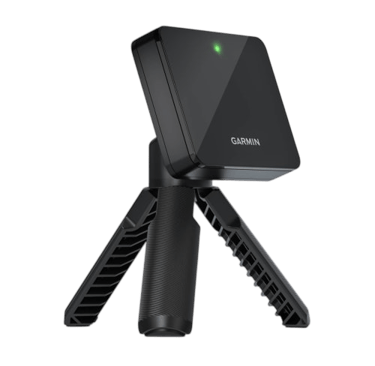
Garmin R10
Best For: Budget-conscious garage builds
Avoid If: You have very limited space behind the ball
Skill Level: Beginner to intermediate
Space Requirements: Moderate depth required
Key Benefit: Real data at a low cost
Summary: One of the best entry points if you want real ball tracking without overspending, especially compared to other options in best launch monitors.
Rapsodo MLM2PRO
Best For: Accuracy without going full commercial
Avoid If: You want a super minimal setup
Skill Level: Intermediate to serious golfers
Space Requirements: Moderate garage space
Key Benefit: Dual tracking for better accuracy
Summary: A strong middle ground between budget options and high-end systems
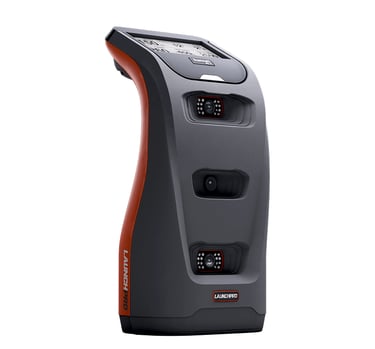
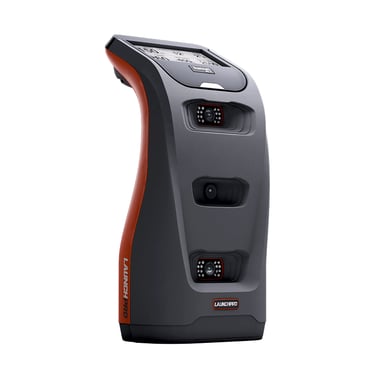
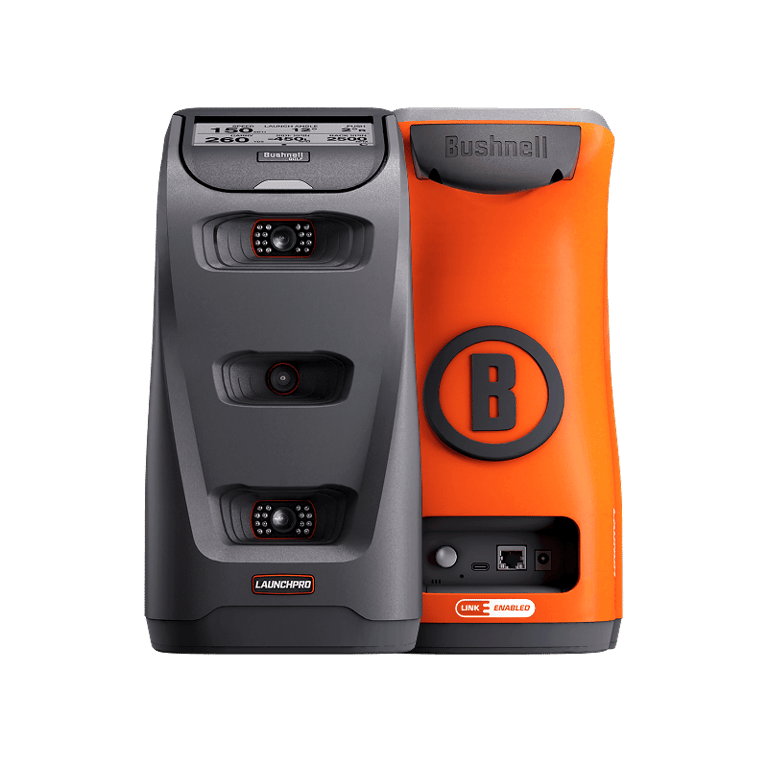
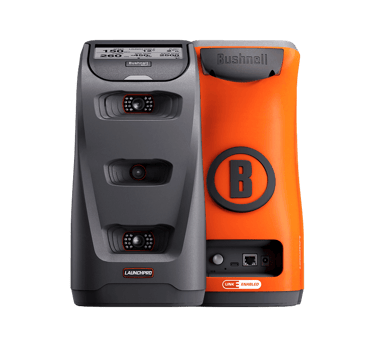
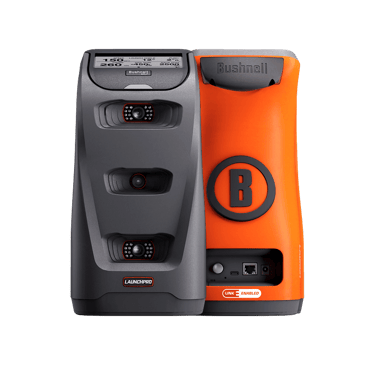
Bushnell Launch Pro
Best For: Serious garage setups with high accuracy needs
Avoid If: You’re on a tight budget or have limited space
Skill Level: Intermediate to advanced
Space Requirements: Moderate (works well in garage setups with proper height)
Key Benefit: Tour-level ball and club data
Summary: A high-end launch monitor built for serious golfers who want accurate, reliable data in a garage setup without going full commercial.
Rapsodo MLM2PRO Launch Monitor
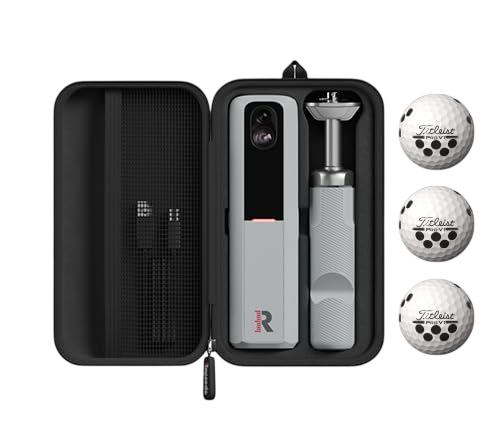
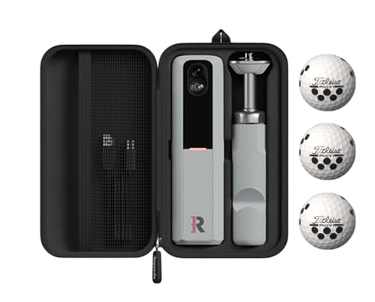
Verdict: A strong balance of accuracy and usability for garage setups that have enough space to support it.
Best For: Garage builds focused on accuracy
Not Ideal For: Tight spaces or minimal setups
Key Strengths:
Dual camera + radar tracking
More reliable indoor data
Strong software integration
Key Weaknesses:
Requires proper setup space
Higher cost than entry models
Real-World Use Case:
Great for golfers turning their garage into a consistent practice space with real feedback.
Setup Notes:
Works best when you understand golf simulator room size requirements, especially for ball flight and tracking.
If you want a reliable garage simulator without going full pro-level, this is the best place to start.
BUZZ PICK
Rapsodo MLM2PRO
Best Overall
Garmin Approach R10
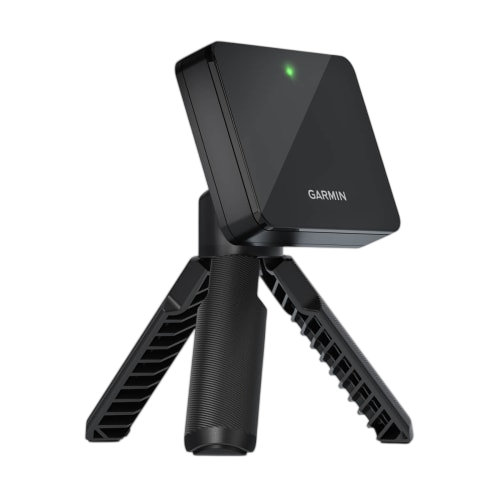
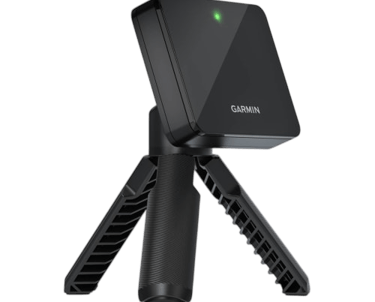
Verdict: One of the best budget-friendly launch monitors that still provides meaningful data for garage use.
Best For: Entry-level garage setups
Not Ideal For: Very tight garages
Key Strengths:
Affordable price point
Portable and easy to move
Solid data for the cost
Key Weaknesses:
Needs space behind the ball
Accuracy varies indoors
Real-World Use Case:
Perfect for golfers building their first garage simulator on a budget.
Setup Notes:
Make sure your space fits proper garage simulator setup requirements before buying.
If you’re starting your first garage sim and want real data without overspending, this is the safest pick.
BUZZ PICK
Garmin Approach R10
Best Budget
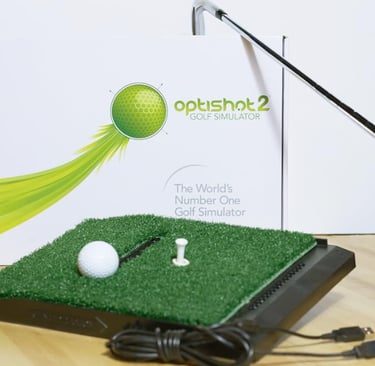
OptiShot 2 Golf Simulator
Short Verdict:
A budget simulator focused more on play than precision.
Best For:
Casual players and small spaces
Not Ideal For:
Serious practice or data tracking
Key Strengths:
Very affordable
Minimal space requirements
Easy setup
Good for entertainment
Key Weaknesses:
Limited accuracy
No true ball tracking
Real-World Use Case:
Best for casual home setups where you just want to swing and play without worrying about performance data.
Setup Notes:
Works in tighter spaces with minimal requirements. Great for basements or compact areas.
Good if your goal is fun and convenience, not performance improvement.
BUZZ PICK
OptiShot 2 Golf Simulator
Best Small Spaces
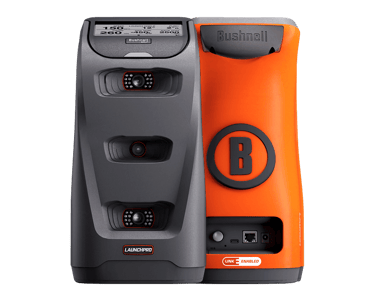
Bushnell Launch Pro
Short Verdict:
High-end performance for serious home golfers.
Best For:
Advanced users and dedicated setups
Not Ideal For:
Budget buyers
Key Strengths:
Exceptional accuracy
Fast, reliable readings
Professional-grade data
Strong build quality
Key Weaknesses:
Expensive
Subscription costs for full features
Real-World Use Case:
Ideal for a dedicated simulator room where performance and data matter more than cost.
Setup Notes:
Requires proper space and a stable indoor environment to maximize performance.
If you want near-professional performance at home, this is where you step up.
BUZZ PICK
Bushnell Launch Pro
Best Premium
BUYING GUIDE (HOW TO CHOOSE)
Budget
Garage simulators range from a few hundred dollars to several thousand. The key is matching spend to your actual use—not just buying the “best” option.
Space Requirements
Your garage size determines everything. Always confirm golf simulator room size requirements before choosing a system.
Accuracy / Performance
Higher accuracy usually means more setup requirements. Decide if you need real data or just general feedback, especially if you understand how launch monitors work and what data actually matters.
Setup Complexity
Some systems take minutes, others require calibration and alignment. This is where many setups fail.
Compatibility
Make sure your simulator works with your devices and software before committing.


COMMON MISTAKES TO AVOID
Buying without measuring your garage
Ignoring ceiling height limitations, one of the most common issues covered in minimum ceiling height for a golf simulator.
Choosing radar in tight spaces
Overpaying for unused features
Expecting pro results from budget gear
Frequently asked questions
How much space do I need for a garage simulator?
Most setups need at least 9–10 feet of ceiling height and enough depth for swing clearance.
Can you use a simulator in a small garage?
Yes, but you’ll need a system designed for tight spaces like sensor-based setups.
Are garage simulators accurate?
They can be, depending on the system and setup quality.
Do I need a net or screen?
Yes, unless you’re using a system that doesn’t track a real ball.
Is it worth building a garage simulator?
For frequent practice, yes—especially if you choose the right setup.
Quick Picks for Your Bag


BUZZ PICK
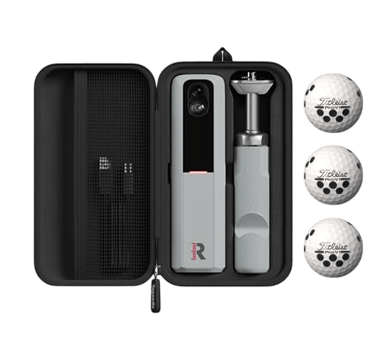
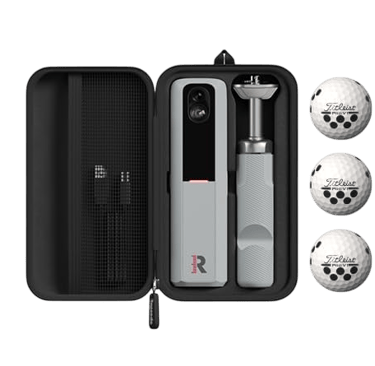
Rapsodo
MLM2PRO
Simulator-ready tracking with advanced swing analytics.
BUZZ PICK
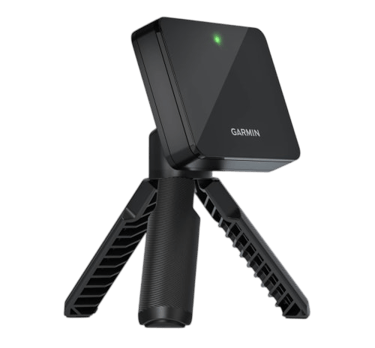
Garmin
Approach R10
Portable launch monitor with reliable shot tracking.
BUZZ PICK
OptiShot 2
Golf Simulator
Affordable simulator setup for casual home practice.
BUZZ PICK
Bushnell
Launch Pro
Premium ball tracking with elite indoor accuracy.
Final Verdict
Best Overall: Rapsodo MLM2PRO
Best Value: Garmin Approach R10
Best Premium: Bushnell Launch Pro
Best for Small Spaces: OptiShot 2
The best golf simulator for your garage isn’t the most expensive—it’s the one that fits your space and how you actually plan to use it.
If you get that part right, everything else falls into place.
Where Do You Want to Go Next?
Choose your path based on what you need right now.
Explore Everything
Dive deeper into:
launch monitor technology
indoor vs outdoor tracking
radar vs camera systems
spin and ball speed metrics
simulator software compatibility
portable golf sim setups
This is the best place to better understand how modern launch monitors actually perform on the course and indoors.
Compare Before You Buy
Trying to decide which portable launch monitor fits your setup best?
Compare:
Garmin R10 vs MLM2PRO
simulation software support
spin and shot tracking
Seeing the real-world differences between portability, accuracy, and simulator features makes choosing the right launch monitor much easier.
If you simply want a portable launch monitor with advanced shot tracking and simulator-ready performance, start with the Rapsodo MLM2PRO.
It offers:
simulator-ready tracking
advanced shot analytics
reliable spin metrics
portable practice setup
indoor and outdoor use
Just Get It Done
© 2026 GolfTechBuzz. All rights reserved.
Golf Tech Buzz
Performance Through Data
Practical guides, real-world setups, and unbiased comparisons for golfers building smarter practice environments.
General Inquiries: